Skill:
Consumer Behavior
Company:
Apple
People Are the Product
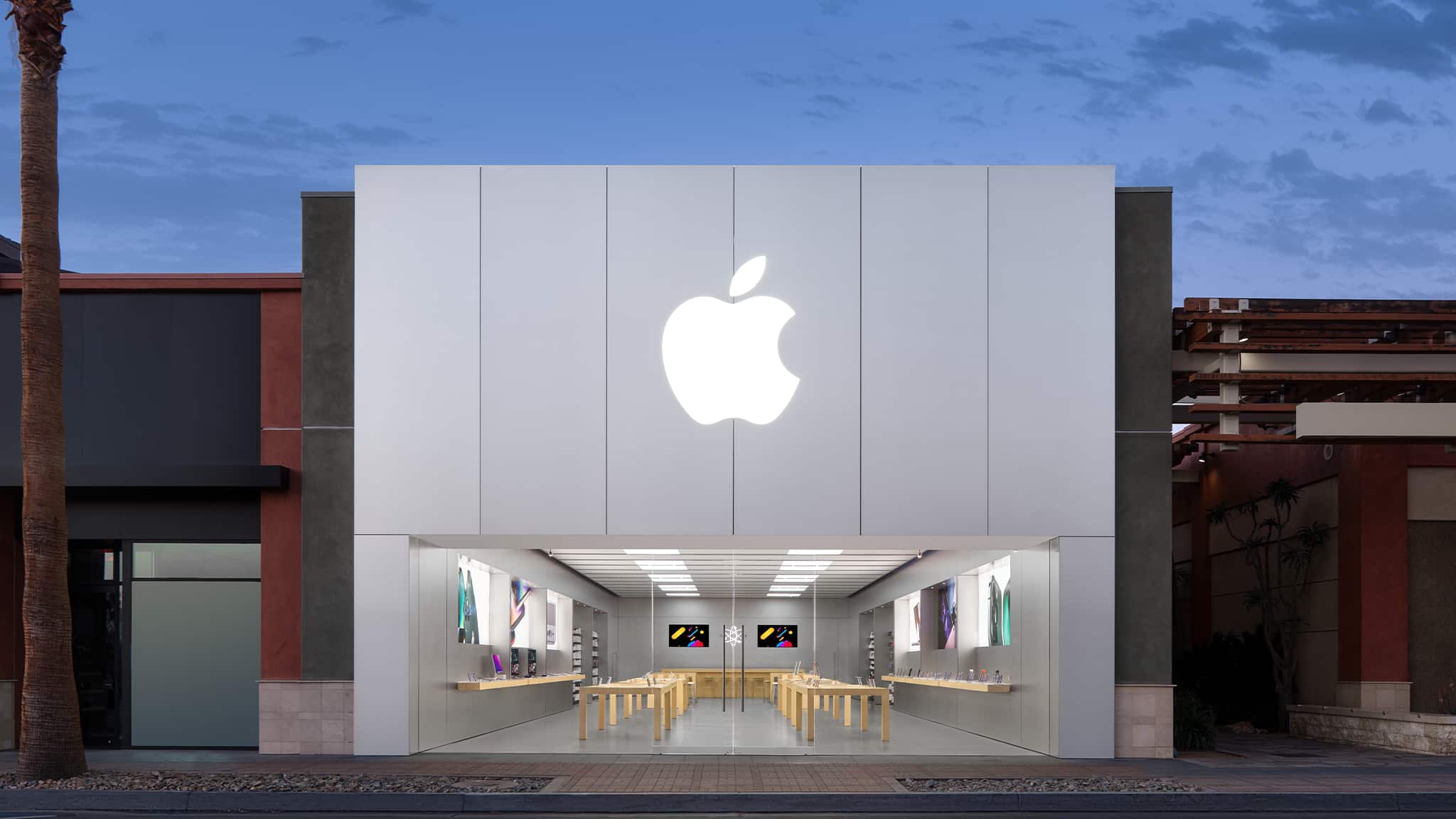
Apple is one of the most marketed brands on the planet. But marketing alone doesn’t explain why Apple Stores generate $5,500 in sales per square foot, the highest of any retailer in the United States, more than thirteen times what Walmart produces in the same space.
The difference isn’t the product. It’s the environment and the people inside it.
The Physical Advantage
Most tech brands sell through a screen. Samsung, Google, and Microsoft all rely primarily on third-party retailers and online channels to move product. Microsoft tried to change that in 2009, opening over 80 retail stores designed to mirror the Apple Store experience, similar layouts, similar fixtures, even an “Answers Desk” modeled directly after the Genius Bar. They leased mall space next to Apple locations on purpose.
It didn’t work.
According to Modern Retail, Microsoft permanently closed all but four locations in 2020, taking a $450 million charge. Analysts pointed to the same reason every time: the stores were never destinations. They couldn’t replicate what Apple had built but not because the design was wrong, but because the human element wasn’t there.
Apple currently operates over 530 stores across 25 countries and continues to expand, per Marketing Scoop. According to CoStar research cited by Chain Store Age, Apple generates $5,546 in sales per square foot, the highest of any retailer in the United States, more than thirteen times what Walmart produces in the same space.
That gap isn’t a coincidence. It’s a case study in what physical retail actually does when it’s done right.
The Conversion Gap
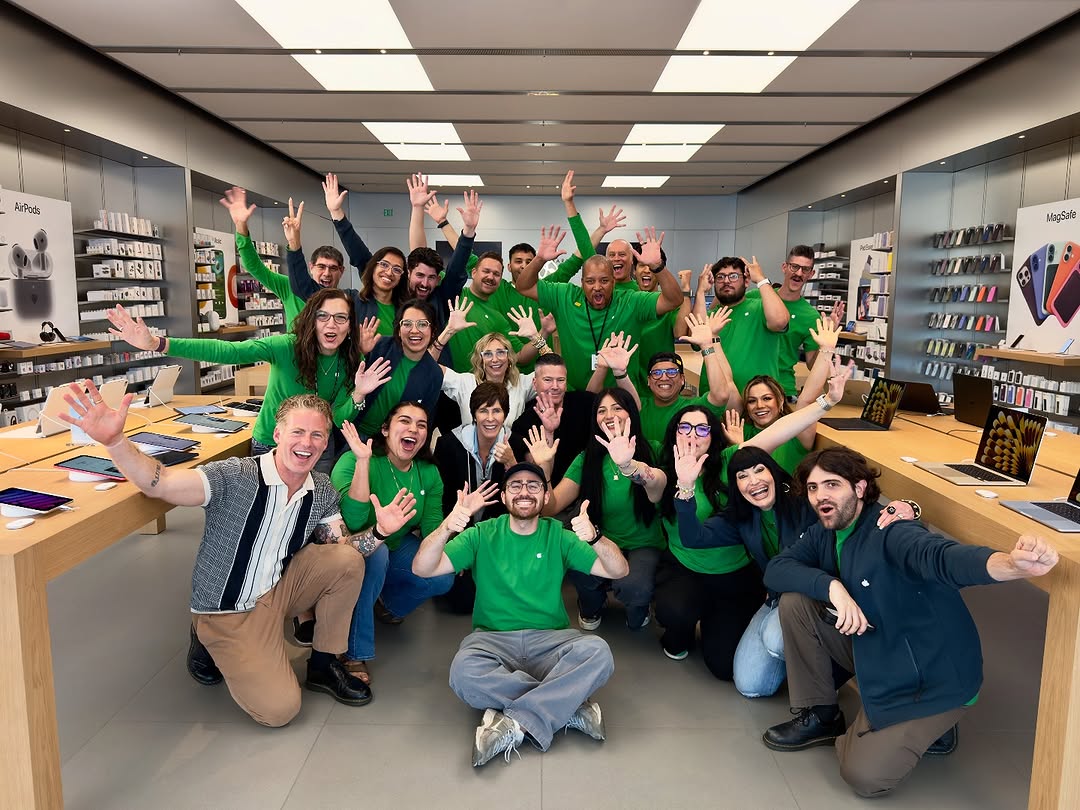
Working as a Sales Specialist at Apple’s El Paseo location in Palm Desert has meant thousands of individual conversations with people at every stage of the purchase journey. What those conversations reveal is something no product page or digital campaign can fully replicate: the moment a person decides to trust a brand enough to spend their money with it.
That moment almost never happens online for a $1,500 MacBook.
People come in to touch it. They come back a second time with questions. They bring a family member. The hesitation isn’t about the product it’s about confidence. And confidence comes from conversation, not the spec sheet.
The motivators are personal and emotional. A college student who used their roommate’s MacBook once. A parent who wants to use FaceTime to talk to their children across the world. Someone whose doctor mentioned the Apple Watch’s health features.
These aren’t people responding to ads. They’ve already decided to care, they just need a reason to commit.
Research supports what plays out on the floor every day. A 2019 PwC study found that 73% of consumers say experience is a major factor in brand loyalty. And according to Qualtrics’ 2026 Global Consumer Experience Trends report, replacing human interaction with digital alternatives is actively eroding trust across industries.
Apple didn’t remove the human. They made the human the product.
The Human Layer
Customer feedback from my time at the El Paseo store reflected this consistently, people leaving not just satisfied with a purchase, but feeling genuinely heard. Comments described being helped across multiple customers without feeling ignored, being guided through complex decisions with patience, and feeling like someone actually cared about finding the right solution rather than closing a sale.
The most significant piece of feedback came in a letter forwarded from Tim Cook’s office to Apple Retail Executive Relations. A longtime Apple customer and someone who had used Apple products since the Macintosh 128k arrived without an appointment, facing a deadline, and carrying eight hours of unresolved frustration from the day before. Her letter read in part:
“He was kind, incredibly efficient, and possessed a tenacity that is rare to find. If he didn’t immediately have an answer, he hunted it down. He made it his mission to ensure my new setup was not only working but that my Keynote and video exports were fully functional before I walked out the door. It is people like Joey who maintain the soul of Apple.”
That letter isn’t included as a personal achievement. It’s included because it illustrates something no marketing campaign can manufacture; the moment a brand promise gets fulfilled by a human being.
Apple’s marketing told her for decades that technology should make life easier.
One conversation in a store proved it.
The Four Stages of Buy-In
From these interactions, a clear pattern emerges in how Apple converts intent into action:
1. Exposure → Desire: Marketing creates awareness and emotional pull before a customer ever walks in.
2. Validation → Confidence: In-store interaction removes uncertainty and builds trust through conversation.
3. Personalization → Commitment: The product becomes relevant when it’s tied directly to the customer’s life.
4. Support → Loyalty: Post-purchase support reinforces trust and turns a transaction into a relationship.
This is the difference between selling a product and building a customer.
What the Floor Teaches
Understanding what happens at the point of conversion changes how you approach marketing upstream.
When you know that a customer switching from Samsung to iPhone needs their specific hesitation addressed before they commit, you think differently about messaging that reduces friction before they ever walk in.
When you know a college student who borrowed a MacBook is already 80% of the way to a purchase, you think differently about what content needs to exist at that stage of the funnel.
When you know buy-in is emotional before it’s rational, you think differently about what a campaign needs to make someone feel not just what it needs to say.
Microsoft built stores. Apple built a destination.
The difference was never the layout. It was understanding that the product creates curiosity but the person creates commitment.